Announcements

10 Year Anniverary & New Releases Winners: Carrie Fancett Pagels' Butterfly Cottage - Melanie B, Dogwood Plantation - Patty H R, Janet Grunst's winner is Connie S., Denise Weimer's Winner is Kay M., Naomi Musch's winner is Chappy Debbie, Angela Couch - Kathleen Maher, Pegg Thomas Beverly D. M. & Gracie Y., Christy Distler - Kailey B., Shannon McNear - Marilyn R.
Showing posts with label colonialism. Show all posts

Monday, July 20, 2020

In the Name of Religious Freedom

French Florida
Or, America's Earliest Colonial History, Part 2.

Right after my last post, a friend messaged me:
I saw your Colonial Quill post. You know how every time one thinks one has history down and then another obscure fact crops up that changes everything? Yeah, that. The first interest in colonizing America wasn't fueled by Queen Elizabeth, who was hoping to stop Spanish expansion. Before that, Jean Ribault landed on the shores of Florida hoping to set up a colony. For Huguenots, I believe.

https://jeanribault.org/
Take a peek at this beautiful website. You're welcome. Makes me long to write a story about this man and the people he sought to defend--although now, alas, I am under contract for a story featuring another, but maybe not so different, group.

That group would be the famed Lost Colonists of Roanoke Island.

These days, even the word "colonial" has a bad name. I've written about this before.
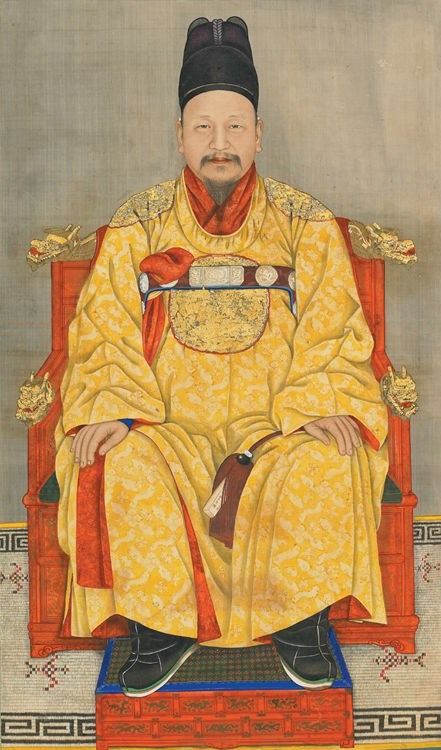
Emperor Gojong of Joseon (Korea)
Truth is, every empire down through history has sought to grow their holdings and increase their wealth by annexing other lands and peoples. I was recently reminded of this while watching, of all things, a Korean drama with my youngest girl, set during the early 1900's, a particularly turbulent time of Korean history. Joseon (Korea) was just beginning to open up to Western ways, just beginning to not immediately put Christians to death, and struggling to find her place between China, Russia, America, and Japan. The latter, that tiny but ridiculously ambitious island nation, made no secret of its desire to make Korea a colony of Japan. Ruthlessness and political maneuvering were the standard of the day, and corruption abounded.
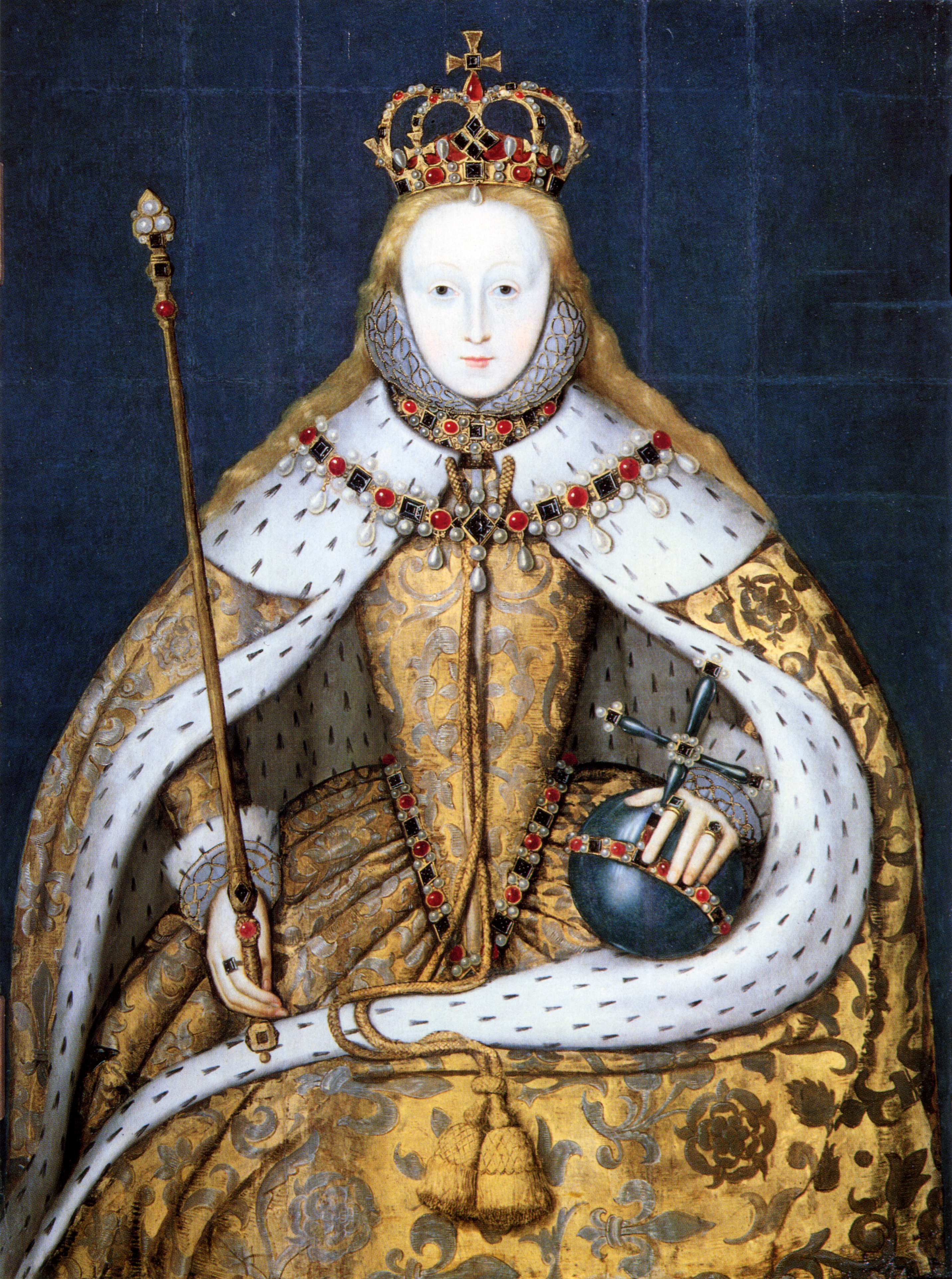
Good Queen Bess at her coronation
Not so very different from the time of Queen Elizabeth. "Good Queen Bess" furthered her father's move in breaking away from the Church of Rome by establishing the Church of England. Bloodshed between Catholics and Protestants abounded, and religious views were the standard by which political views were judged. Ireland suffered a harsh and bloody takeover by England, for reasons which I will not get into here, but doubtless that set the precedent for what later happened on American shores. When Elizabeth granted Sir Walter Raleigh his charter for a colony in the New World, however, she was very clear that it was at least in part for the purpose of furthering the Gospel to unreached peoples, but plenty of folk in England were unhappy enough with the way things were going in the newborn Anglican Church that they wished to either purify the Church (thus, Puritans) or create their own group entirely (Separatists).

Most feared, however, were the Spanish. Spain already had holdings across South America, and their treasure galleons were the most coveted prize of English privateers. Staunchly Catholic to the point of meting out torture and death to those who disagreed (the Spanish Inquisition, anyone?), they were equally ruthless on the sea. The English were by far not the only ones to suffer at Spanish hands. As outlined in the website I shared above, French Huguenots sought refuge on what is now the Florida and South Carolina coast, but were seen as a threat to Spain's supremacy in the New World and met with death once their Protestant leanings were made known.
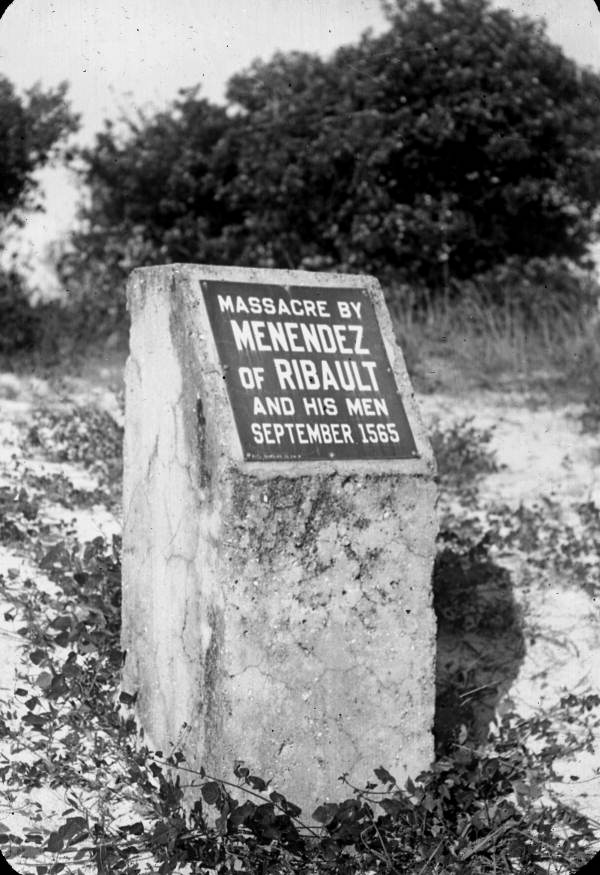
Marker at Fort Matanzas National Park
Lee Miller theorizes in her book Roanoke: Solving the Mystery of the Lost Colony that the group which set sail in 1587 under Governor John White, seeking to establish the first permanent English settlement in the New World, were Separatists. If so, the fate of French Huguenots would have been fairly fresh, and avoiding the Spanish at all costs would have been uppermost on their minds. Brandon Fullam makes the case in The Lost Colony of Roanoke: New Perspectives that this would have been a good reason why they settled on Roanoke Island rather than going north to the Chesapeake as originally planned. Maybe it's just my own firm Christian faith, but I find the Separatist theory quite compelling. It certainly wouldn't be the first time that a people group migrated in search of religious freedom, would it?


Monday, June 13, 2016

Reflections on Colonialism and Independence

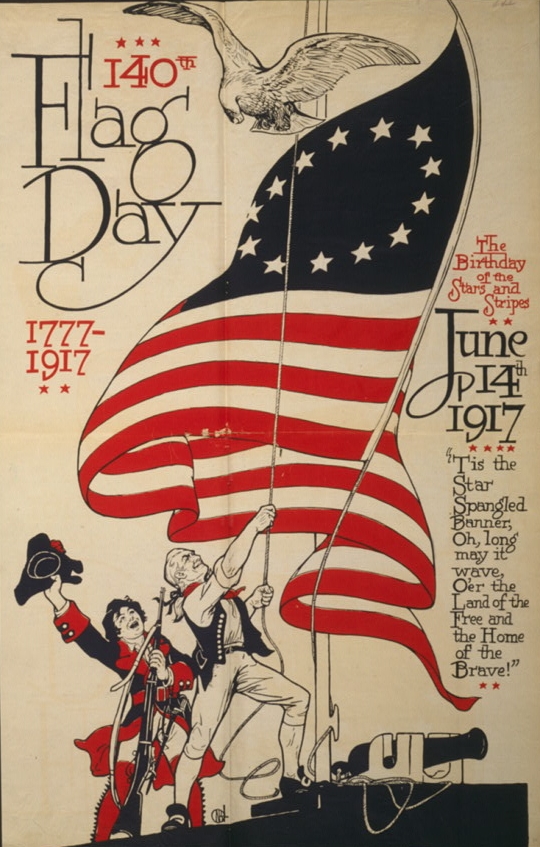
As a citizen of a country getting ready to celebrate the 240th anniversary of its independence, I think it bears stopping to reflect on exactly what that means ... and where we came from.
While researching for my piece on the famed Kentucky rifle, I was also reading a bit on the history of warfare, and the two converged in some strange ways in my brain.
                Here at Colonial Quills we celebrate not just the material history of the colonial American era, but also the spiritual legacy. Entangled with both is a political and sociological legacy that moderns are made to feel increasingly ashamed of because of the apparent social and cultural inequities of the time. Even the term “colonial” has been turned into a Bad Word, as the evils of European Colonialism are discussed everywhere.
                What is colonialism, and why did it happen? Since nearly every empire in history made a name for itself by claiming lands that weren’t originally theirs, it’s unfair to lay all the blame for modern woes at Europe’s door. And people groups in general have migrated here and there almost since time began.
                Over the centuries, people ventured here for diverse reasons. Some came seeking profit, but just as many came because they felt they had few other options, or were brought here against their will. Various efforts have been made, at least as we can extrapolate from our own recorded history (recorded in English, that is), by those who settled here to at least attempt to get along with native peoples. Sometimes the natives were amenable (even when they possibly shouldn’t have been) and sometimes they weren’t.
Athens and her fellow Greek city-states were constantly trying to annex each other
                It’s also noteworthy that all major European nations practiced colonialism from about the 17th century until at least the late 19th century. North America was the particular focus of Great Britain, the Netherlands, France, and Spain. When the dust of the Seven Years’ War settled (known on this side of the pond as the French and Indian War), Great Britain held most of the continent.
                By the time America declared its independence from Britain, the Crown was attempting to contain westward expansion. I’ve mentioned before how the overmountain settlements—anything west of the Appalachian Mountains—were essentially illegal under both the British and Continental governments. Jefferson is credited as the president who most aggressively pursued westward expansion, with the Lewis and Clark Expedition and the Louisiana Purchase, but it can be argued that settlement across the American continent was as much an individual endeavor, or that of family groups, as it was a governmental enterprise.
                Other issues that came out of America’s colonial heritage, such as the government’s treatment of the native peoples, and that of slavery, can be addressed as separate from any particular nation’s quest for supremacy, in my opinion. Others may disagree, but regardless, I feel it’s time that popular culture stopped flailing us as Americans for something that’s been a phenomenon of kings and governments since before Rome, Greece, and the Mongols.
                We may not have gotten here by superior military might (it was more that we wore out Great Britain), and we may or may not be here by the grace of God (although I’d argue we are), but ... we are here. And as a republic, we are one of the most unique nations ever. Do we have things to answer to God for as a nation? Of course. But we’ve also enjoyed a great deal of blessing, all things considered.
                And to quote a popular comic book series, With great power comes great responsibility. May we rise to that, again!