
 |
| The mighty Ohio River (looking across to Kentucky from Illinois) |
And then there are the interesting subjects who fall
somewhere in the middle.
Such was the case of Samuel Mason, former captain of the American
Revolution, who became a river pirate.
Until the opening of the Wilderness Road to wagon traffic in
1795-96, travel down the Ohio River was regarded as the easiest method of
travel into western lands during the Federal era—if the most dangerous because
of the threat of attack by natives. But the danger was by no means limited to by
that from the Shawnee, because as soon as the native tribes migrated west, others
found travelers a too-easy target as settlers poured into the frontier by both
land and waterway.
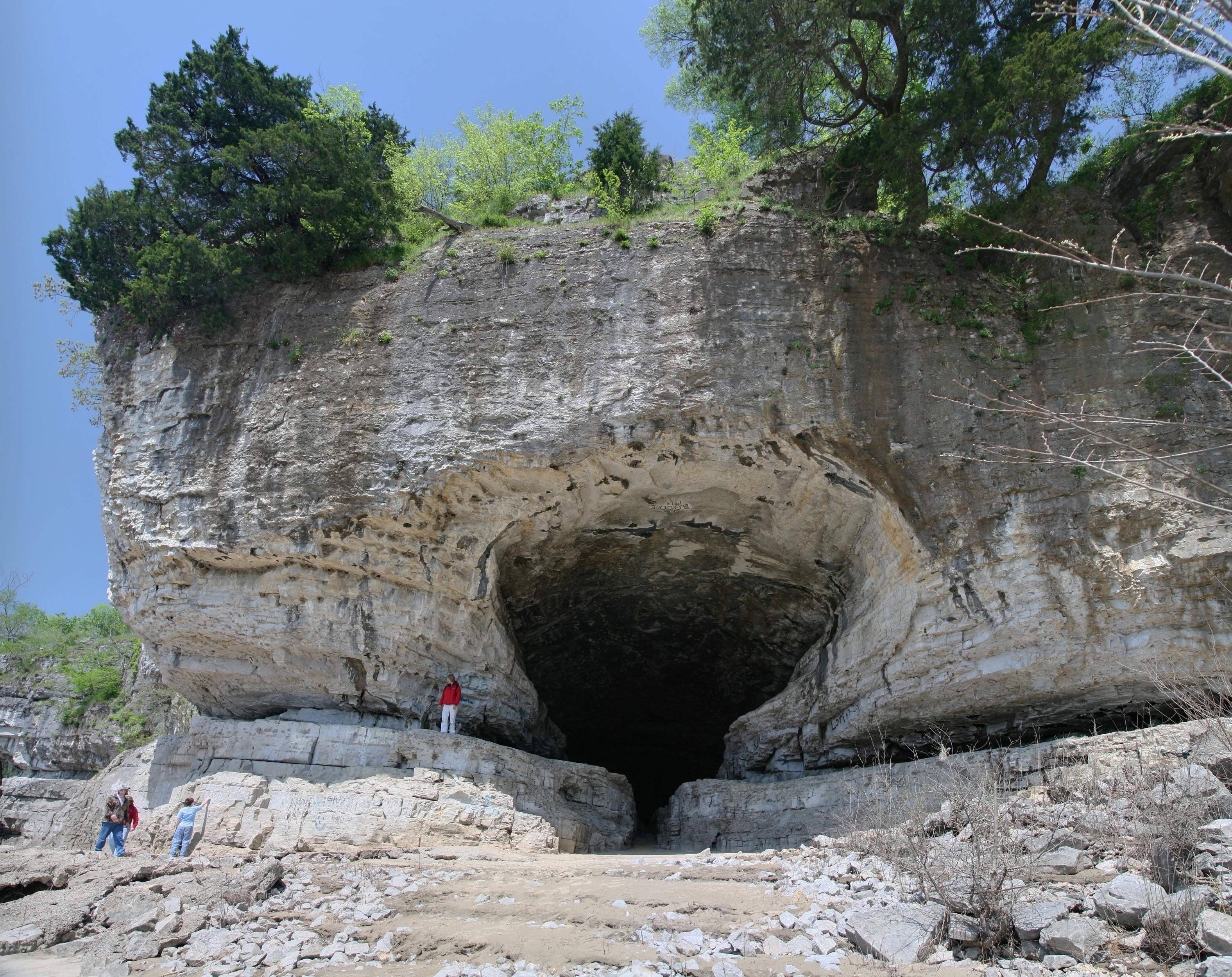 |
| Cave-in-Rock State Park, Illinois |
Mason was later credited with being shrewd but not
bloodthirsty, bragging that he never took a life “unless necessary” (self
defense and avenging family members seemed to be included in that). This was in
contrast to the notorious Harpes, a pair of men who although called brothers
were likely cousins, and who wreaked mayhem all up the Wilderness Road and
across Kentucky and Tennessee. (The saga of their murder spree in 1798-99 provides
the background for my upcoming release, The Blue Cloak, #5 of Barbour
Publishing’s True Colors series.)
 |
| Keelboats and flatboats, both popular with settlers |
It was around this time—again, no one is really sure—that
Mason abandoned Cave-in-Rock and drifted over to the Natchez Trace, a road which
connected Nashville, Tennessee, with towns farther south in Mississippi Territory
and eventually reached New Orleans. His fate is later tied up with the Harpes
in a most bizarre manner, but the man had a wife who apparently did not approve
of his activities, and sons who joined him at least occasionally.
Robbery and murder were not the only criminal acts taking
place on the frontier. Counterfeiting became big business as well, and a sort
of mafia-like “protective” service offered by some.
And how did folk on the frontier deal with such things? Well,
more on that later. :-)
